Building a custom home on your own land allows you to create a property that reflects your lifestyle, personal preferences, and long-term plans. Whether you own a few acres in the country or are considering purchasing land near North Houston, building on your property allows you to think beyond a traditional residential lot and plan a homesite that fits your vision.
Before construction begins, however, it is important to understand the work and planning involved. Land conditions, utility access, site preparation, budgeting, and home design all play a role in determining how a project moves forward. By understanding these considerations early, you can make informed decisions and work with your builder to create a plan that suits your property and goals.
Evaluate Your Land Before Finalizing Your Plans
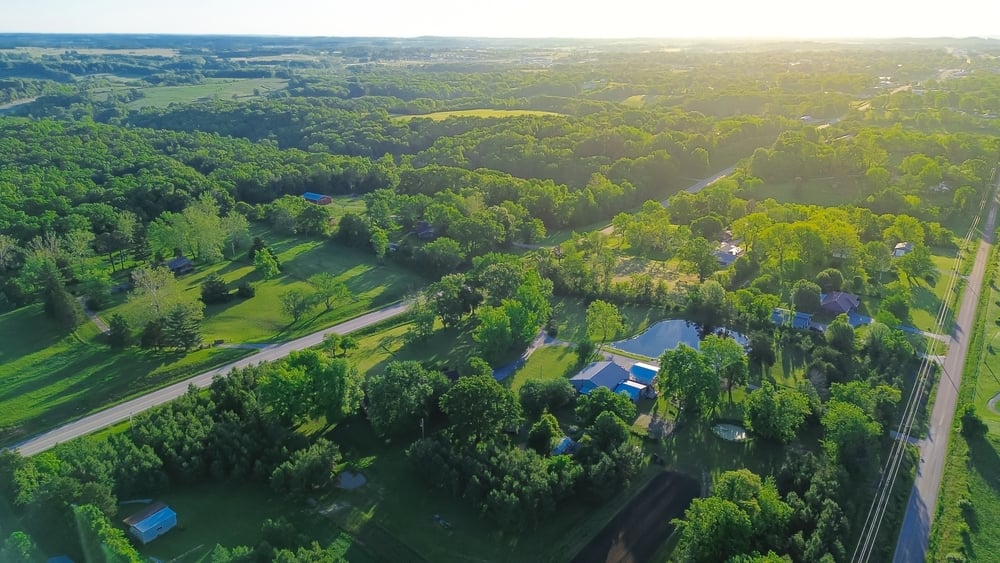
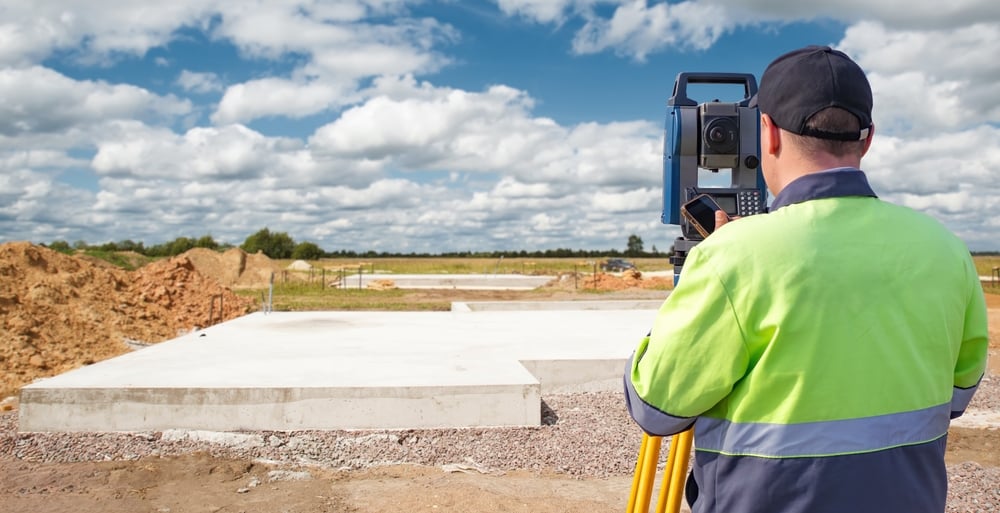
Before designing your home, take time to understand your property. Factors such as land size, terrain, soil conditions, property boundaries, and access points can affect where your home can be built and what preparation is needed. Reviewing these details early helps you plan your project more effectively.
If you are planning to buy land, make sure it can support your building plans. Some properties may need extra work before construction can begin. Checking property restrictions, building requirements, and utility access can help you avoid unexpected challenges.
A professional property evaluation can help identify potential issues and determine what work may be needed. Working with an experienced custom home builder early can help you understand how your land will affect your home’s design, placement, and construction.
Understand Site Preparation and Utility Requirements
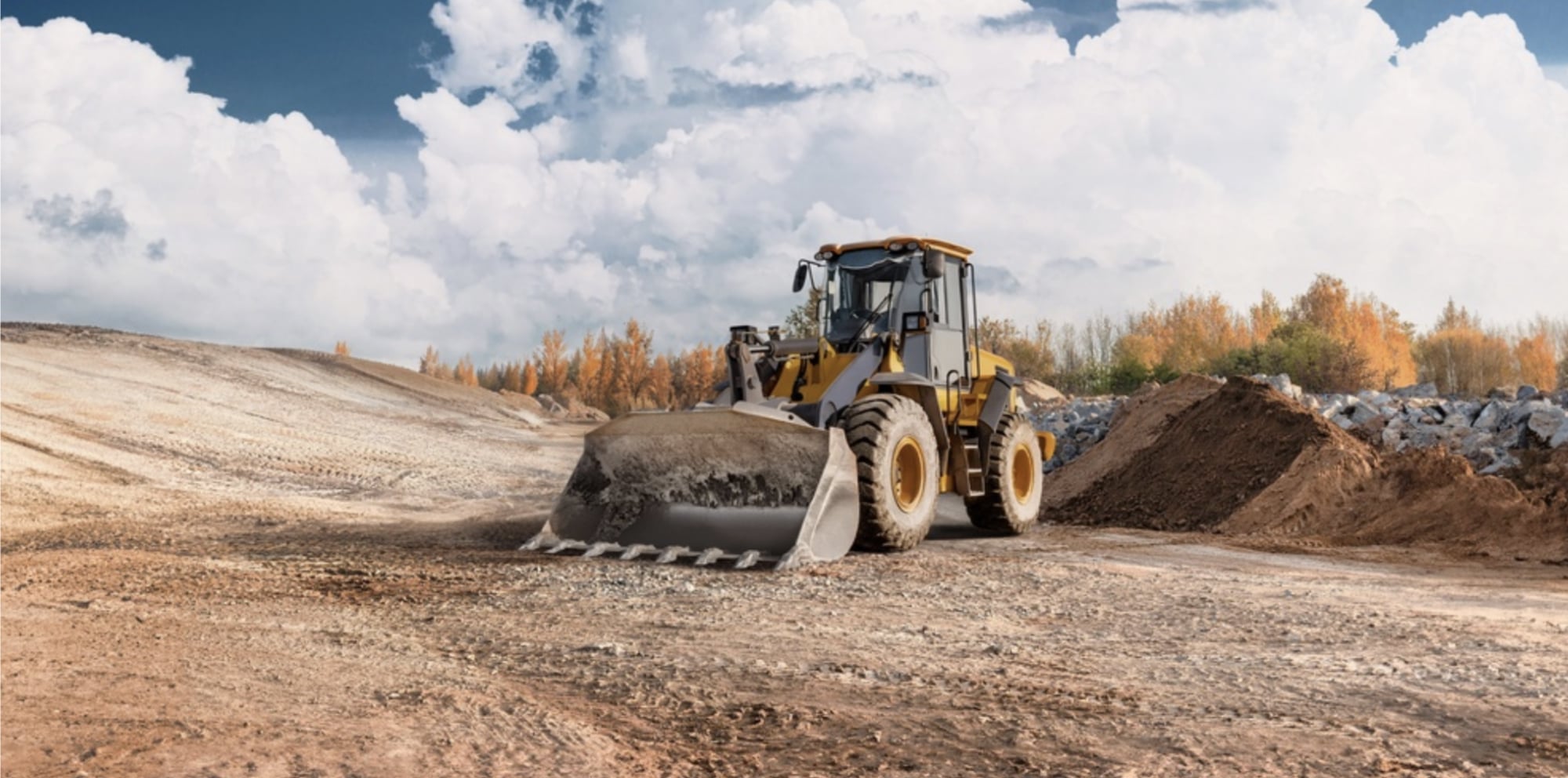
Owning land does not necessarily mean it is ready for construction. Depending on the property’s condition, site preparation may involve clearing trees and brush, grading the ground, addressing drainage, conducting soil testing, and preparing the area for foundation work. These steps help create a suitable building site and address potential challenges before construction progresses.
Utility access is another important consideration. Depending on the property, you may need to coordinate electricity, water, wastewater services or a septic system, and other essential connections. Driveways and construction access may also need to be planned, particularly for rural properties where existing infrastructure is limited. The specific requirements will depend on the location, local regulations, and characteristics of the land.
| Site consideration | Why it matters |
| Land clearing | Removes vegetation and obstacles from the planned building area. |
| Soil conditions | Helps determine appropriate foundation requirements and whether additional preparation is needed. |
| Grading and drainage | Directs water away from critical areas and helps reduce drainage-related problems. |
| Utility access | Establishes how essential services will reach the home. |
| Driveway and access | Provides practical access for construction equipment, contractors, and future residents. |
| Permits and property requirements | Helps ensure the planned project complies with applicable local rules and restrictions. |
Establish a Realistic Budget for the Entire Project
One of the most important steps in building a custom home is developing a budget that accounts for the complete project rather than focusing only on the home’s construction price. Depending on your circumstances, the overall investment may include land acquisition, surveys, engineering, architectural planning, permits, site preparation, utility connections, construction, and finishing selections.
Additional homesite features can also affect the total cost. If you plan to add a detached workshop, guest house, pool, covered patio, or outdoor kitchen, those features should be considered as part of the broader property plan. Even if some additions will be completed later, thinking about their placement and requirements early can help you avoid unnecessary redesigns or site work.
Design a Home That Fits Your Land and Lifestyle
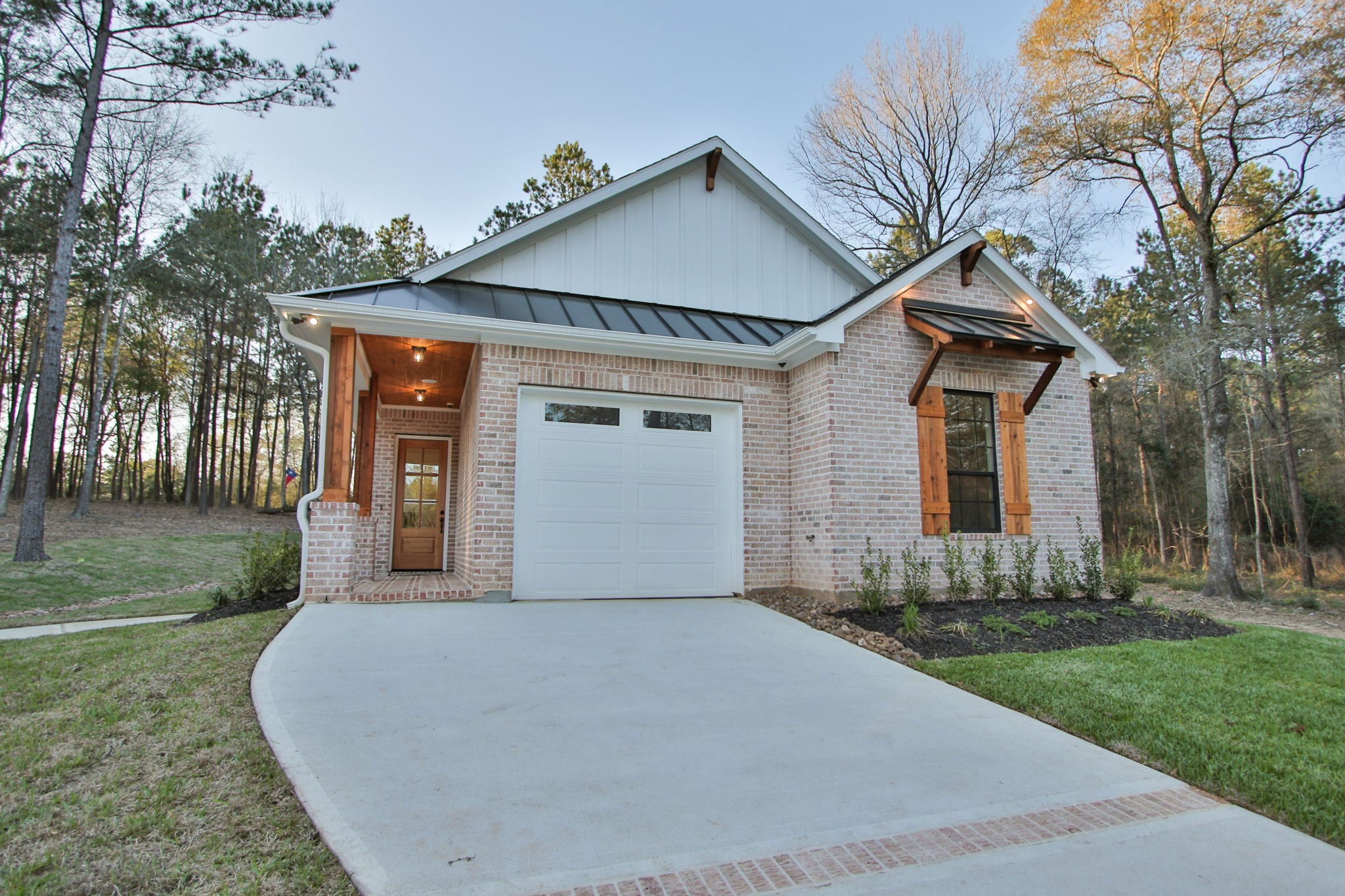
Once you have a better understanding of the property and budget, you can begin planning a home that makes the most of your land. Unlike a home selected from an existing neighborhood inventory, a custom home can be designed around your household’s needs, preferred layout, architectural style, and future plans. The design should also account for site conditions and applicable building requirements.
Consider how you want to use the property both indoors and outdoors. You may want an open living area for entertaining, a dedicated home office, additional storage, a spacious garage, or a covered outdoor living area. On larger properties, it may also make sense to consider the potential placement of a workshop, guest house, pool, or other structures as part of the initial site plan.
Thoughtful planning can help you balance personal preferences with practical considerations such as privacy, access, natural light, drainage, and the relationship between different structures. Working with your builder during the design phase allows you to explore options and make decisions with a clearer understanding of how they fit the property and overall project goals.
Choose a Builder Who Can Guide the Entire Process
Building on your own land involves coordinating several interconnected stages, from evaluating the property and preparing the homesite to designing the home, obtaining approvals, and managing construction. Choosing a builder who understands the full scope of this process can help you navigate decisions and keep the different phases organized.
When evaluating builders, ask how they approach site evaluations, utility coordination, permits, design planning, construction management, and communication throughout the project. It is also helpful to understand what their building process includes, which responsibilities fall to the homeowner, and how potential additional costs are addressed. These conversations can give you a clearer picture of the support you can expect.
RVision Homes helps homeowners in North Houston and surrounding service areas navigate the process of building on their land through a turnkey approach. By considering property evaluation, site preparation, custom design, and construction together, the team helps homeowners understand the steps involved in transforming their land into a personalized homesite.
Building on Your Land in North Houston
Building a custom home on your land requires careful planning, from evaluating the property and preparing the homesite to establishing a realistic budget and designing a home that fits your lifestyle. Understanding these factors early can help you avoid unexpected challenges and create a smoother building process.
RVision Homes helps homeowners in North Houston and surrounding areas turn their land into personalized homesites through a turnkey custom home-building process.
Ready to start planning your custom home in North Houston? Contact us to discuss your property, explore your options, and take the next step toward building a home that fits your vision.