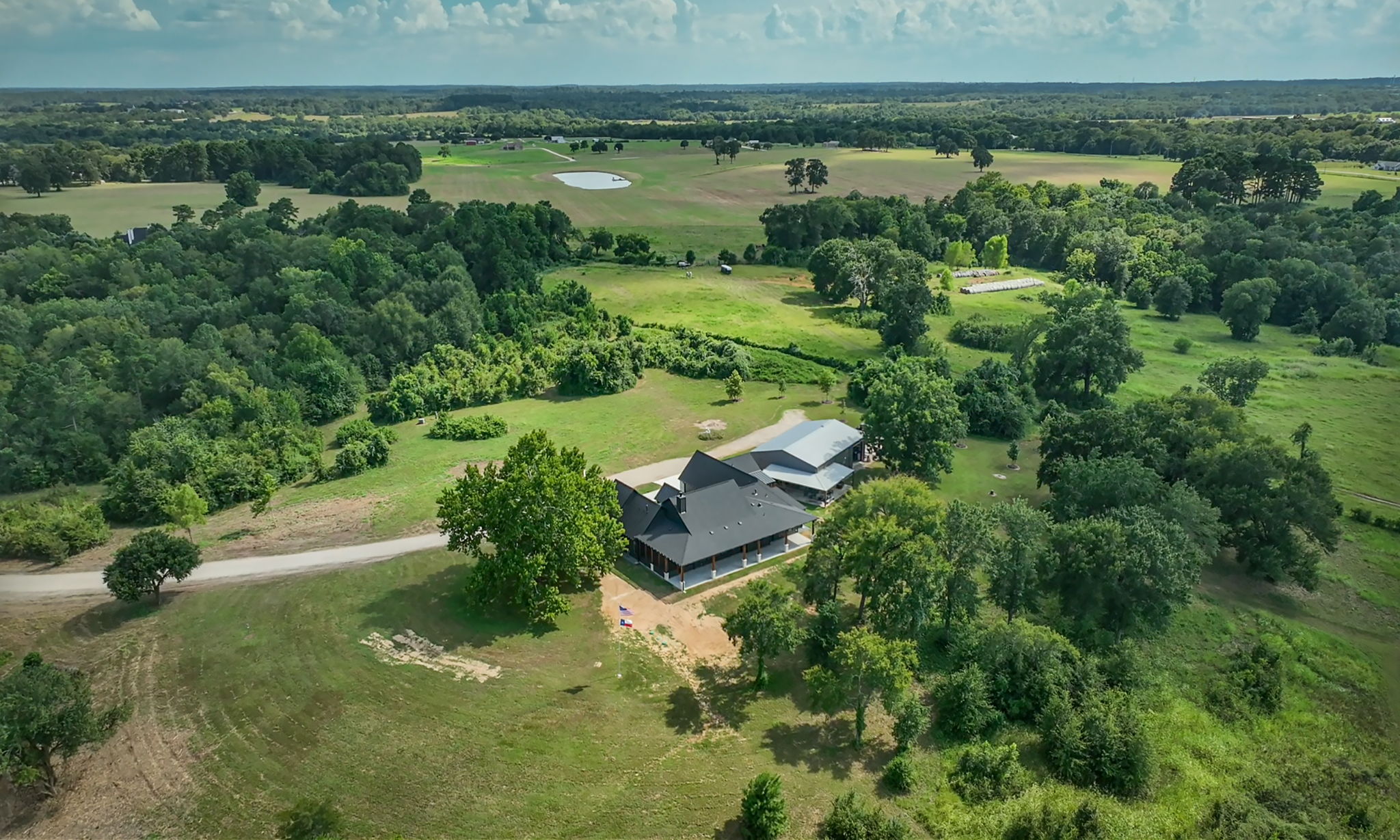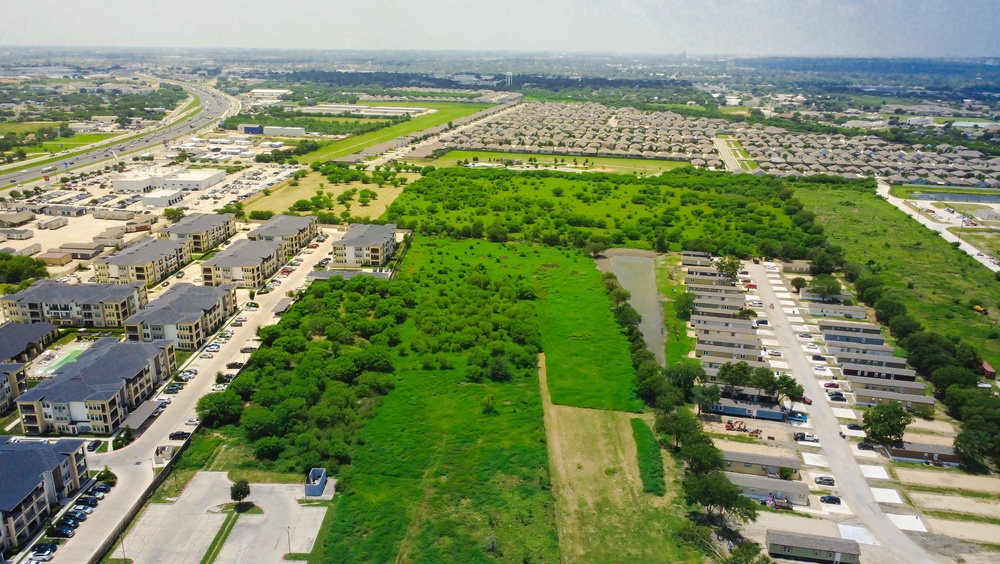
Building on your own land is an exciting opportunity to turn your vision into a real home or project. From creating plans to completing construction, the process involves many steps and decisions. Understanding what to expect when building on your land in Magnolia, Texas can help make the experience more organized and manageable.
Our goal is to simplify the building process and provide a clear path from the initial plans to the finished project. Whether you’re a homeowner planning a guest house or a developer preparing for a larger project, having the right team and understanding each step can help you avoid delays, unexpected costs, and other challenges.
Key Takeaways
- Land evaluation helps identify potential issues early
- Budget planning helps manage costs and unexpected expenses
- Construction includes several important stages
- Home design should balance your vision with practical needs
- Choosing the right builder can make the process easier
Understanding Your Land: Pre-Construction Essentials
Before construction begins, it is important to understand the land and any factors that could affect the project. Every property has different features, regulations, and site conditions. Reviewing these details early can help create a smoother construction process and reduce unexpected problems.
Start With a Land Survey
A land survey provides a detailed view of the property and its boundaries. It can show the property’s layout, elevation changes, existing structures, and other important features. This information helps determine where the home or building can be placed and can identify potential issues before construction starts.
Review Zoning Requirements
Zoning regulations affect what can be built on a property and where it can be located. These rules may cover building size, setbacks, property use, and other requirements. Reviewing local zoning regulations early helps ensure the project follows local guidelines and avoids unnecessary delays.
Test the Soil
Soil conditions can affect the type of foundation needed for the building. A soil test provides information about the ground and helps determine whether additional site preparation may be needed. Addressing soil conditions before construction can help prevent foundation issues and unexpected costs later.
Check Property Lines and Easements
Property lines and easements determine where you can build on your land. Easements may give utility companies or other parties access to certain areas of the property. Reviewing these details before construction helps ensure the building is placed correctly and reduces the risk of property disputes or construction changes.
Prepare the Site for Construction
Once the land has been properly evaluated, the site can be prepared for construction. This may include clearing the property, addressing drainage concerns, preparing the soil, and completing other necessary work. Proper site preparation creates a better foundation for the construction process and helps keep the project moving forward.
Budgeting for Your Construction Project: What to Expect
Creating a clear budget is an important part of planning a construction project. A detailed budget helps you understand your expected costs, prepare for unexpected expenses, and make informed decisions throughout the build.
Start with an estimate of the total project cost, including land development, materials, labor, permits, and other construction expenses. Having an early estimate gives you a better idea of what you can afford and helps set realistic expectations.
It is also important to set aside extra money for unexpected costs. Design changes, material delays, weather, or site issues can increase expenses. A contingency fund gives you room to handle these costs without putting the project over budget.
Your material choices can also affect the overall cost. Higher-quality materials may cost more upfront but can provide better durability and long-term value. Consider both the initial price and the expected lifespan when making these decisions.
Permit fees and other local costs should also be included in your budget. Planning for these expenses early can help prevent surprises later. If you need financing, explore construction loans and other options before the project begins to find a plan that fits your budget.
The Construction Process: What Happens When Building on Your Land
Building on your own land involves several steps, from reviewing the property to completing the final walkthrough. Each stage helps prepare the property, guide the design, and keep construction moving forward.
Lot Review and Planning
The process begins with a review of the property. This includes looking at the terrain, utilities, drainage, access, and other site conditions that may affect construction. Understanding the land early helps create a clear plan for the project and can help prevent unexpected issues.
Custom Home Design
Once the property is evaluated, the home can be designed around the land and your needs. The design process considers the home’s layout, features, placement, and how the property will be used. This allows the home to fit both the property and your lifestyle.
Engineering and Permits
Site conditions help guide the engineering and structural planning for the home. Permits, zoning requirements, setbacks, and other local regulations also need to be addressed before construction can begin. Handling these details early helps keep the project on track.
Site Preparation and Construction
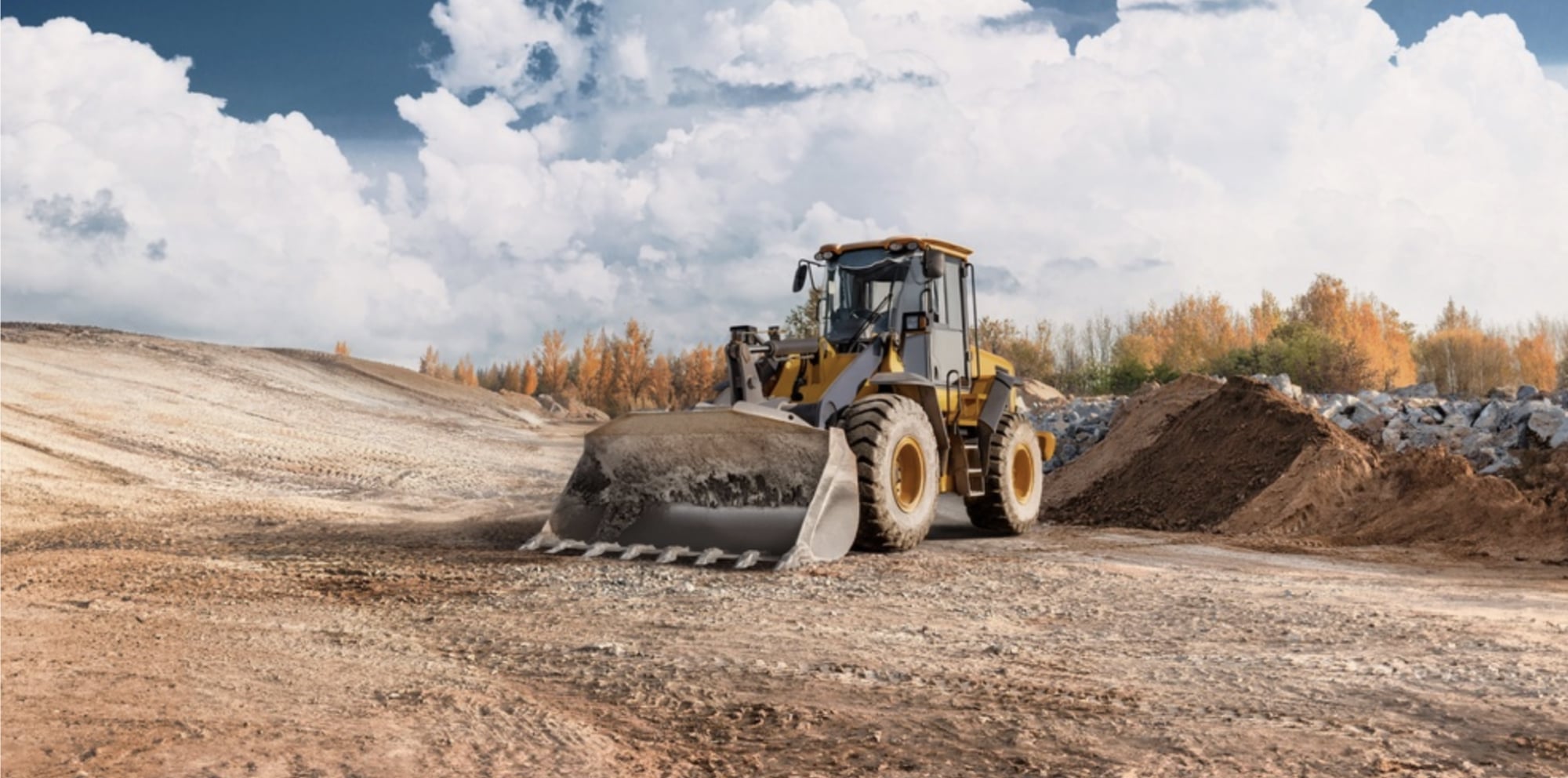
The property is prepared for construction through work such as clearing, grading, drainage improvements, and foundation preparation. Construction then moves through the foundation, framing, systems, and finishes. Having one team oversee these stages can help keep the work organized from start to finish.
Final Walkthrough and Completion
Before the home is completed, final inspections and a walkthrough help make sure everything is ready. Any final adjustments can be addressed, and warranty information can be reviewed before the home is handed over. This final step helps ensure the finished home is ready for you to enjoy.
Designing Your Dream House: Balancing Vision and Reality
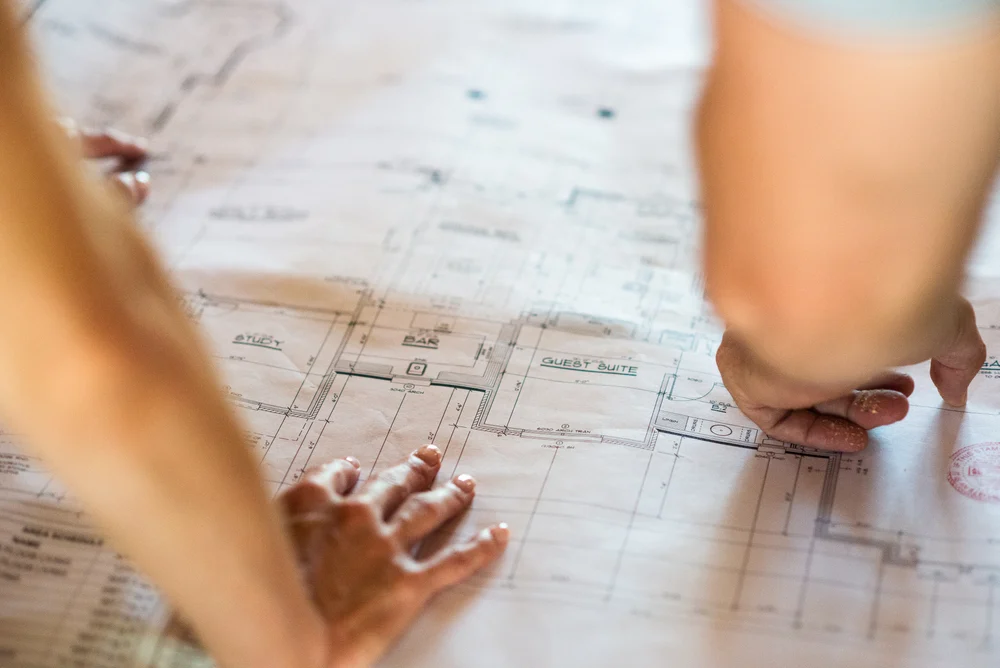
Designing your dream home means balancing your ideas with practical needs. A good design should fit your lifestyle, budget, property, and long-term goals. Architectural plans turn your ideas into a clear plan for construction. Working with experienced professionals can help make sure your home is both attractive and functional.
Energy-efficient features can also improve comfort and help lower long-term costs. Options such as efficient HVAC systems, quality insulation, and energy-efficient windows can make your home more efficient. The local climate in Magnolia, Texas can also affect design choices. Roofing, windows, insulation, and other features should be selected with local weather conditions in mind.
Building codes and local requirements must also be considered throughout the design process. Following these requirements helps keep your project safe and avoids costly changes later. Finally, your personal style gives the home its character. From the layout and finishes to colors and materials, thoughtful choices can create a home that feels comfortable and truly reflects your needs.
Choosing the Right Builder for Your New Home
Choosing the right builder is an important part of building a new home. The right builder should have the experience, communication, and knowledge needed to guide you through the process and help bring your plans to life. Experience matters when selecting a builder. Look for a team with experience building custom homes and working with different properties and project needs. A knowledgeable builder can help you make informed decisions throughout the process.
It is also helpful to review client testimonials and past projects. This can give you a better understanding of the builder’s quality of work, communication, and customer service. A clear construction timeline is another important consideration. Your builder should explain the major steps of the process and keep you informed as the project moves forward. Understanding the timeline from the beginning can help set realistic expectations.
Warranties can also provide added peace of mind after construction is complete. Ask about the builder’s warranty coverage and what it includes so you know what to expect. At RVision Homes, we focus on making the home-building process organized, clear, and personal. From the initial design and planning stages through construction and the final walkthrough, our team works with homeowners to create custom homes that fit their needs, property, and lifestyle.
Building on Your Land FAQs
What Does Building on Your Land Involve?
Building on your land means designing and constructing a home on a plot you already own. It involves several stages, including site evaluation, designing the home, obtaining necessary permits, and finally, the construction process itself. You’ll work with architects, builders, and possibly designers to create a space that fits your vision. It’s about making the most of your land and customizing everything to suit your lifestyle and preferences.
What Are the Benefits of Building on Your Own Land?
Building on your land offers unparalleled customization. You have complete control over the design, layout, and features of your new home. It can be more cost-effective than buying an existing home since you avoid some of the mark-ups found in pre-built homes. Plus, you have the opportunity to select a location that suits your needs, ensuring your new home is in the perfect spot for you and your family.
How Does RVision Homes Help Prepare Land for Construction?
RVision Homes simplifies the preparation of your land by conducting thorough site evaluations and handling all necessary permits. They assist with land clearing, grading, and utility connections, ensuring your plot is ready for construction. Their experienced team guides you through each step, making the process smooth and efficient, so you can focus on designing your dream home without the stress of logistical hurdles.
How Long Does It Take to Build a Home on Your Land?
The timeline for building a home on your land varies based on several factors, including design complexity and weather conditions. Generally, the process can take anywhere from one year from start to finish. This includes time for planning, permitting, and construction. Working with a skilled builder like RVision Homes can help streamline the process, keeping everything on schedule and ensuring efficient project management.
What Should You Consider Before Building on Your Land?
Before building, consider the land’s suitability for construction, including soil quality and zoning regulations. Evaluate access to utilities like water, electricity, and sewage. Think about the home’s design and how it fits the landscape. It’s also essential to set a realistic budget and timeline. Consulting with professionals can provide valuable insights and help ensure your project aligns with your vision and complies with local regulations.
Building on Your Own Land in Magnolia, Texas
Building on your own land involves several important steps, from evaluating the property and planning your budget to designing the home and completing construction. Understanding the process and preparing for common challenges can help make building a custom home more organized and manageable.
As a custom home builder in Magnolia, we help homeowners create personalized homes that fit their needs, lifestyles, and long-term goals. Our team guides you through each step, from evaluating your land and planning the design to construction and the final walkthrough.
Ready to start building on your own land? Contact us to discuss your property, plans, and next steps for your custom home.